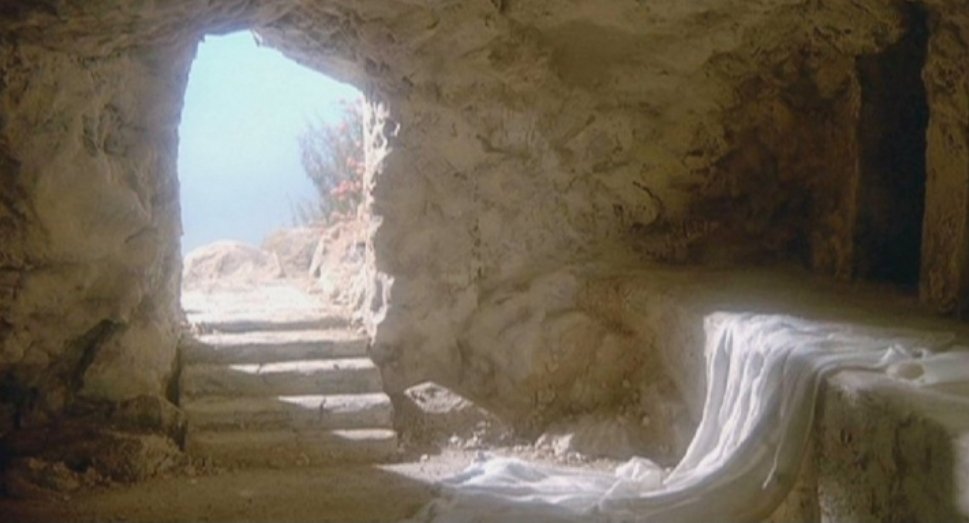
The angel said to the women, ‘Do not be afraid, for I know that you are looking for Jesus, who was crucified. He is not here; he has risen, just as he said’. – Matthew 28:5-6

The angel said to the women, ‘Do not be afraid, for I know that you are looking for Jesus, who was crucified. He is not here; he has risen, just as he said’. – Matthew 28:5-6
’30p Lee’ Anderson embarked on his World Tour of Ashfield today otherwise known as his ‘Day of Action’ – fittingly, on Red Nose Day.

’30p’ thinking about some stuff today (Image: The Spectator).
Such ancient Wonders of the World as the Hanging Gardens of Babylon and the Great Pyramid of Giza in Egypt were eschewed in favour of the Morrisons car park in Kirkby in Ashfield and the Co-op in Selston as chosen points on the campaign trail.’
’30p’ was quoted as saying it was ‘good to be back in the real world’ as he toured his kingdom on the top deck of an open-top bus painted in Reform party colours. (Where’s a low bridge when you need one?)
Among the throng waiting to greet Ashfield’s spiritual leader was a dog dressed in a blue Reform-coloured jumper.
Shortly afterwards, a member of staff threatened to call the police on Mr. Anderson, should he not remove himself from the Co-op car park.
Before being forced to leave, Anderson warmly talked about ‘traditional values’, ‘bobbies on the beat’, wanting schools to be ‘good’, getting rid of this ‘woke nonsense’, ‘convincing children they’re different sexes’, ‘getting coppers to arrest people’ and of course “sorting immigration out’.
Mr. Anderson also spotted some potholes.
During proceedings, Anderson was quizzed on his wife still being a Conservative Party member and if this caused any friction in the home? Anderson replied ‘you should be able to debate and have that argument in the day, and at night time shake hands and go out for a pint.’
Ashfield’s ‘Red Wall Champion’ was due to end his Day of (right arm) Action at the Rifle Volunteer pub in Skegby.
RIVA…GOAL! Came to be a regular cry in the late 1960s when the ‘Rombo di Tuono’ (Rumble of Thunder) blasted yet another explosive shot into the back of the net and so I was saddened to receive news this past week from my friend in Sardinia of the passing of a boyhood idol of mine, Gigi Riva, the great Italy and Cagliari centre-forward. Gigi remains the Azzurri’s leading scoring by some way with fully 35 goals in just 42 appearances, but it is not just his impressive footballing abilities that mark him as the great man he was.
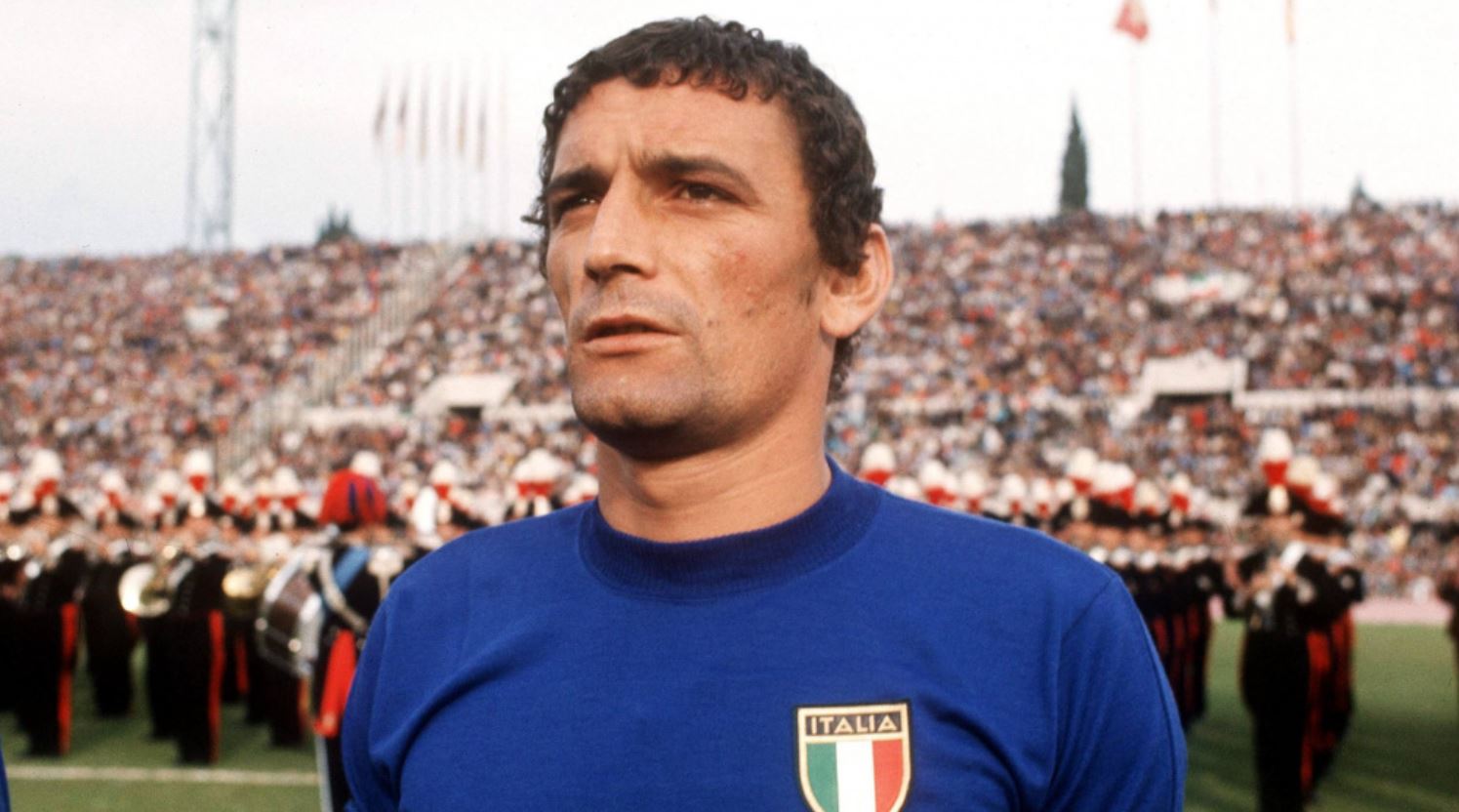
(Image: Per Sempre News)
Up until the 1970 World Cup, names such as Luigi Riva and Gianni Rivera were legendary and magical Italian footballers who my friends and I in the UK had only ever seen photographs of in magazines. Gianni was a glamorous figure who played football in a memorable and romantic way in his role as playmaker with Milan and Italy and yet it was ‘Gigi’ that captured my rapt attention. There was just something about his steely, determined expression that appealed to me, he looked so confident and formidable as he posed in that famous and storied Azzurri shirt. He almost seemed to have an aura all his own that elevated him above other players.
As the TV pictures relayed him playing live in 1970, It was noticeable to me how extremely left-footed he was, his powerful and accurate shooting with that left foot, like a laser beam, almost unerringly culminating in a distressed and bulging net. As children, my friends and I would play football endlessly in the parks in the summer and on the roads in winter under streetlights for hours and hours. We would pick our hero to emulate and for the left-footed boys, including me, we all fought to ‘be’ Gigi Riva.
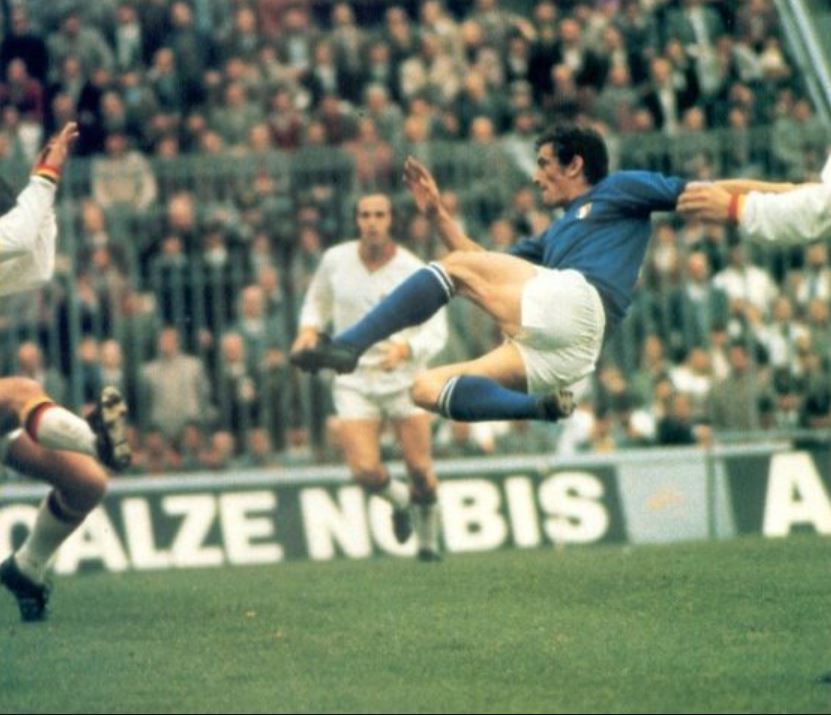
(Image: ilnobilecalcio.it)
Much later in life, at the suggestion of my friend, I happily came to name my dear and faithful Bengal cat, ‘Gigi’ as a humble tribute to my hero as a youngster. On the day of Gigi senior’s passing recently, my pet looked a little uncharacteristically forlorn. I actually talked to him to say ‘don’t look so sad, Gigi’. It was only an hour later that I learned of the passing of Gigi Riva that day.
Gigi in his pomp helped propel Italy to the European Championship in 1968 and helped the Azzurri to the World Cup Final in 1970 where they met, arguably, the best football team in the world at any time in the Brazil of Pele, Jairzinho, Rivellino and all. It was all enthralling.
It is what I learnt about this man later in years that perhaps most impressed me for he was a man of humble beginnings who fought passionately and never gave in from his difficult start in life to be a champion. Gigi was born on November 7 1944, in Leggiuno, on the shores of Lake Maggiore. Ugo, his father, was a tailor and barber who came to find work in a factory. Tragically, Ugo died in an industrial accident when Gigi was just nine years old. Young Luigi’s mother, Edis, went to work in a mill doing desperately hard work for little money. Edis struggled to look after Gigi and sent her child to a strict religious boarding school for three years. Gigi recorded his time there as being very unhappy. I noted interestingly that it was at this school that he was forced to write not with his natural left hand, but with his right, just as I had been at school. It was probably in these hard times for Gigi that his natural character was formed and honed.
Further tragedy ensued when Gigi’s mother died of cancer when he was only 16. He then lived with his sister, Fausta, left school, and went to work in a factory. It was at this time that Gigi began to make his name in local football, playing at times in bare feet until the time he could afford to buy boots. Gigi came to play for the factory owner’s Serie C team, Legnano for a year before being bought by Cagliari, the beginning of an extraordinary love affair between Gigi and the people of Sardinia. The population of the island came to adore him and I’m told that it was many a household that would own a portrait of Cagliari’s famed number 11.
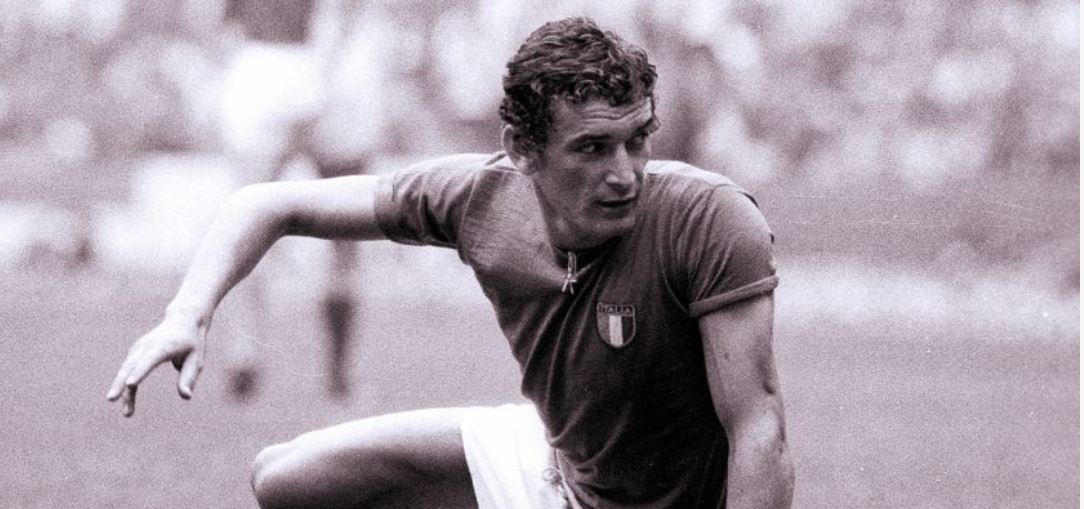
(Image: ultimouomo.com)
Gigi drove Cagliari to a previously unimaginable Scudetto, winning the title in season 1969-70. The player was regularly courted by the huge Italian giants, Juventus, Milan and Inter, more fashionable, heavily supported and funded clubs. He never left but stayed faithful to Cagliari and Sardinia for the rest of his playing career and beyond, a type of dedication and faithfulness which is seldom seen in these times. This relationship with the people was reflected on by Gigi in his earlier days in Sardinia, ‘Fishermen would invite me to dinner, and they would treat me like one of them, he would say. ‘I realised that not just a city, but an entire region was supporting me like a second family.’.
Gigi came to enjoy the unwavering and enduring love of both Sardinians and nationally in Italy. He had an emotional appeal that captured fans’ hearts like no other. His on-field exploits are detailed more widely elsewhere but notable was his performance in the 1970 World Cup Semi-Final against West Germany. Dubbed the ‘Game of the Century’, with Italy running out 4-3 winners, helped by a third goal scored by Gigi.
After his playing career, Gigi ran a soccer school and assisted in coaching Cagliari for several seasons. He also operated as Team Manager for Italy for several years. Later on in life, it was sad to record that he suffered from depression and osteoarthritis. Gigi was a smoker and loved his fast cars. Certainly, he didn’t want for female attention in his day and in the late 1960s controversially lived with a married woman, Gianna Tofanari. Gianna was separated from her husband at the time, in an era when divorce didn’t really exit in Italy. It was, however, a lasting relationship which produced two sons. No longer a couple nearing the end of Gigi’s life, still, they continued to see each other every single day.
Gigi’s funeral in Sardinia saw 30,000 people attend to pay respects to their hero. Former players acting as pall bearers included Gigi Buffon and the other members of the Italy team of 2006. Gianluca Buffon became overcome by emotion, shedding tears during the funeral. God will bless Gigi Riva.
Gigi Riva, born November 7 1944, died January 22 2024.
We’re told that the third Monday of January is the most depressing day of the year. Reasons given include, the prevalence of post-Christmas debt, gloomy weather and failed New Year’s resolutions.

(Image: Canadian Mental Health Association)
Only it isn’t, it’s a myth, it’s completely fabricated This nonsense was first inflicted on the public by a UK travel company some years ago as a marketing gimmick to sell holidays. Ever since, this fiction has been tediously repeated each year, even though there is no science or research that corroborates its spurious claim. One might argue that trivialising genuine mental health problems such as depression and anxiety for commercial profit is, indeed, unacceptable.
It doesn’t take much to understand that mental health is individual to every one of us, along with our different circumstances. Mental health issues can affect us on any day of the year. We also need to make the distinction between feeling ‘down’ which is unpleasant but likely, temporary and depression which can significantly disable our day-to-day lives.
The message remains the same, on this day or any day – take care of each other, do the things you know that help you and above all, talk and stay connected with others.
I had the pleasure of attending a talk by former European Cup-winning captain of Nottingham Forest, John McGovern recently. The event was held at the pleasant Embankment pub situated just off the opposite bank of the River Trent from the City Ground, scene of many of John’s triumphs with the team under Brian Clough and Peter Taylor. A friend tells me that the events room used for the evening was actually the original office of one Jesse Boot of Boots the Chemist fame. Certainly, a beautiful room complete with some exquisite leaded windows and a fitting place of work for such a luminary.
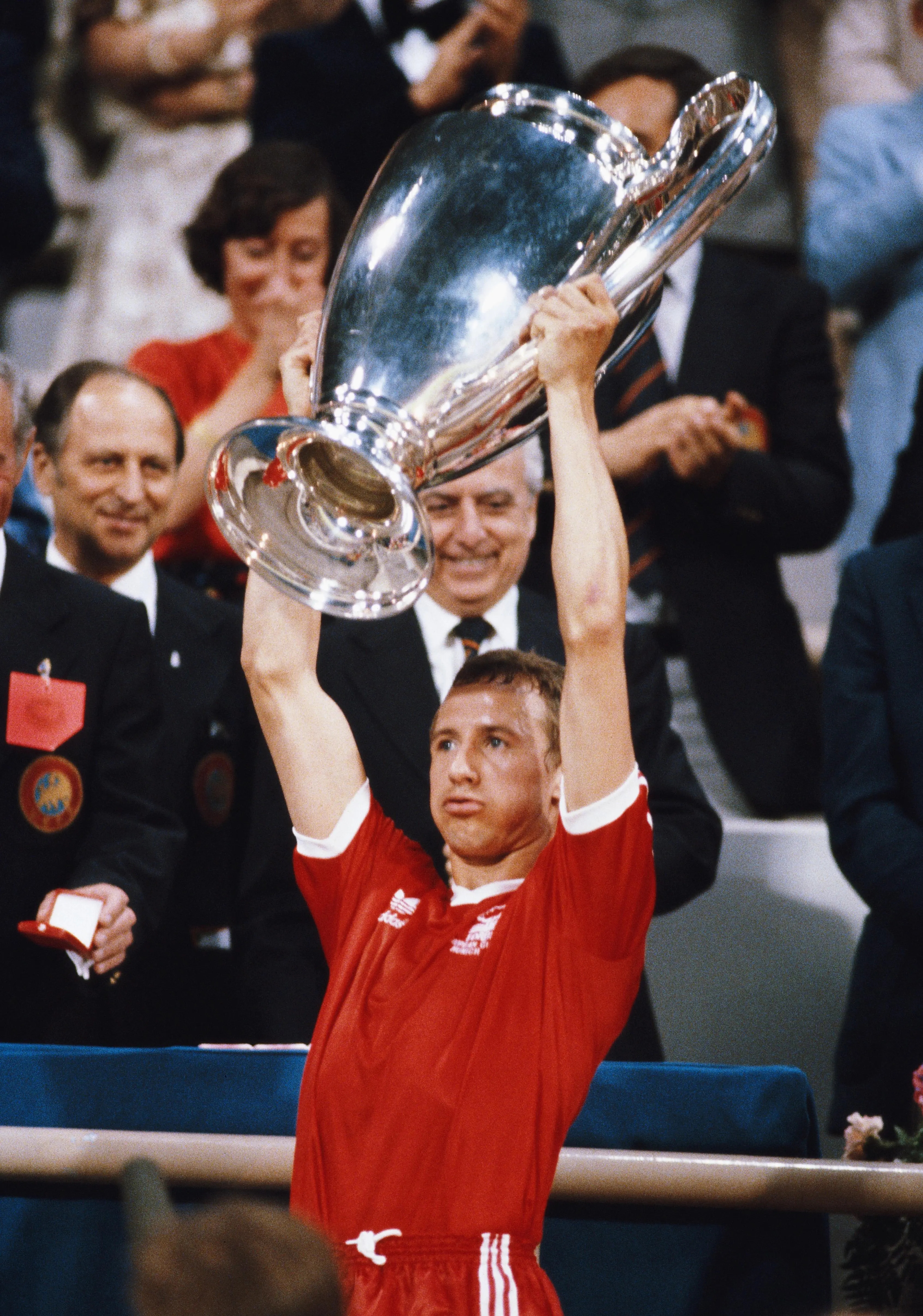
Image: The Scottish Sun
I was always a great admirer of John McGovern, in his best position as a central midfielder though playing wide right and, in my memory, as a central defender with some aplomb. He was what we might term as a ‘players’ player’ – a perfect professional, always therein support of his teammates on the pitch, an inspirational leader and an individual who didn’t mind doing the ‘dirty work’ for the team. John was a laudable yet sometimes unsung player I always felt. As he would say himself, he was not a player with flashy, eye-catching skills but I will always remember him as the ‘glue’ that made that great Nottingham Forest side of over forty years ago tick. What’s more, for all the wonderfully talented players in that team, for me, they were never quite as fluent in his absense.
The main thrust of the talk was of John’s football career, especially how it was often entwined with the mercurial Brian Clough. The master manager signed him for his first club, Hartlepools United, then for Derby County, Leeds United and finally where some of his greatest his greatest successes were recorded, for Nottingham Forest.
John explained that he was sometimes discounted due to his style of running as he had a muscle missing in his shoulder which left him slightly lop-sided. His initial encounter with Brian Clough was hardly an auspicious one, lining up with the other youngsters to meet Clough, he stood last in a line with the other young lads who all received a welcoming handshake from the manager. Finally reaching John, Clough didn’t extend his hand but rather addressed him thus, ‘stand up straight young man, and get a haircut, you look like a girl’.
There were some amusing stories from Hartlepools, days in particular one game where Clough attempted to coerce Peter Taylor into carrying out the trainer’s job, complete with a bucket of cold water and the famed magic sponge. During the game a player went down injured with the referee blowing up and calling for the trainer on the pitch. Nothing happened. Again, a call for the trainer – nothing. Finally, there was the sight of a sponge being tossed from the dugout onto the pitch, sans trainer.
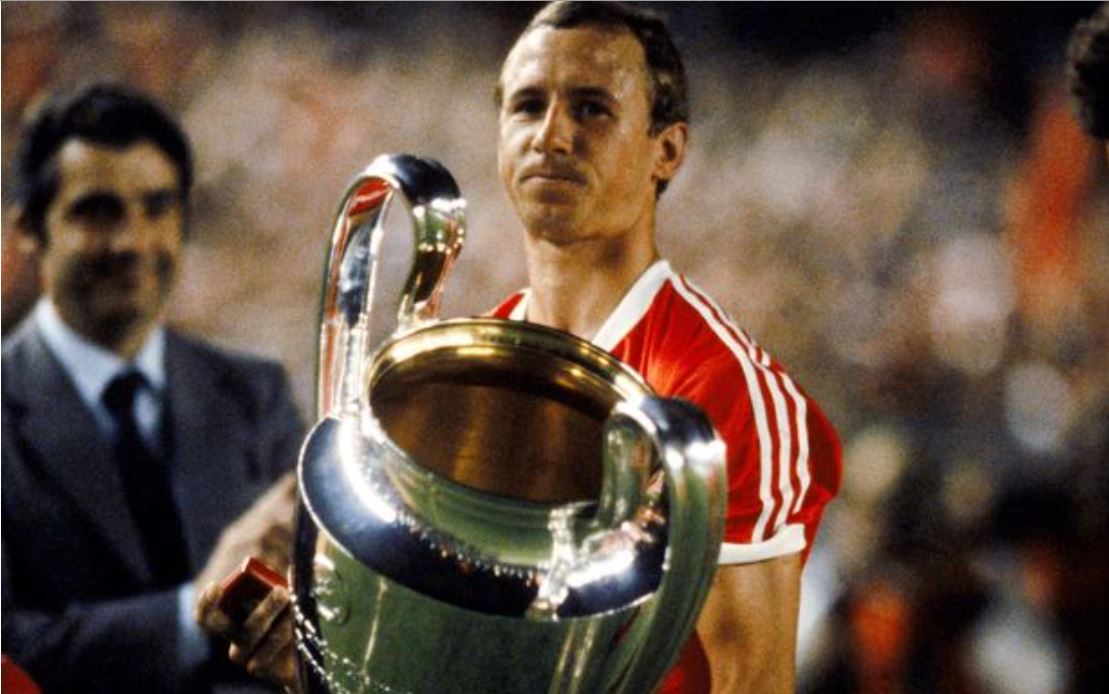
Image: Irish Mirror
Clough of course had his unique ways of instructing players. John explained that when first in a training session with him Clough ordered him to run as fast as he could to the corner flag and back with the ball. Asking how he’d done, John was then instructed to run again to the corner flag and back, this time without the ball. On arriving back, Clough asked him ‘now which one was easier? Pass the ball!’
I asked John about a particular angry scene on the pitch against Liverpool once and he explained that he’d probably ran towards the referee to ‘even up the numbers’, stating that Liverpool would tend to crowd and influence the referee just as Leeds United were renowned in earlier days.
John McGovern had a wonderful and decorated career and he opined variously on the subject of former Forest winger, John Robertson ‘completely two-footed and a genius’, lack of making intelligent decisions in some modern players and the pitiful acceleration of diving within the game. Memorably, when asked how he thought the great Forest side he played in would have fared against today’s Manchester City, Chelsea et al. He was very confident that the Reds would have been going into these games and expecting a result. I am in agreement with him too.
John McGovern works as Nottingham Forest club ambassador these days and mentioned that manager Steve Cooper welcomed him to get involved with the team. John didn’t feel as though it was his right to give advice though certainly would if asked. As a post note, he felt that his old team inits present apparition might be short of two or three quality players to tackle season 2023/4.
To end the evening, John joined a group of supporters for a drink and chat for a good time and as well as being an absolute gentleman, proved himself an affable and approachable man. Just as one might have expected of the great midfielder.
Perfect symmetry. Two of the greatest hockey players of all time. Wayne Gretzky of the Edmonton Oilers (left) and Guy Lafleur of the Montreal Canadiens (right) warming up for Team Canada who were appearing in the Canada Cup of 1981. The ‘Great One’ and ‘Le Démon Blonde’ were special and memorable players, beloved by many.

In the image, Wayne is just 20 years-old and Guy, ten years older (and a heavy smoker). Wayne ratchets it up as they warm up, cycling round the net whilst ‘The Flower’ just cruises behind him, looking like he could take a hop and a couple of strides and blow the younger man away any time he chose with that blazing speed Guy possessed.
Two wonderful, elite players, Wayne was the heaviest of scorers in NHL history and was generally a few moves ahead of everyone else on the ice whilst ‘seeing’ the ice like no other. Guy Lafleur was by many people’s conception the best player of the 1970s. He had inimitable style, panache and devastating speed. Always and forever my hockey hero.
Whilst Nottingham Forest continue their own quest for Premier League survival today away at West Ham (good luck the Reds), Notts County resume their quiet revolution which is happening a short distance across the River Trent. The Meadow Lane club face Dagenham & Redbridge in a televised game in a late afternoon kick-off. Hopefully, it can be a three-point afternoon for both Nottingham clubs.

In the Magpies’ fourth season out of League football, the club is having an immense season. Currently topping the league above a strong and expensively constructed Wrexham side Notts have amassed 83 points with just 1 defeat in fully 34 games. Along the way, they have scored a terrific 88 goals and achieved a towering goal difference of 58 goals.
Many plaudits have naturally gone to top scorer, Macauley Langstaff and his incredible 32 goals at the time of writing. A bargain £50,000 acquisition from Gateshead along with his strike partner on Tyneside, the impressive Cedwyn Scott who has also contributed 14 goals so far, underlines one of the components of Notts’ great progress, the quality of their recruitment.

Controversial in some circles, the club’s significant use of data in choosing new additions to the squad has very much borne fruit in recent times, even down to the two recent acquisitions of Jodi Jones and John Bostock who look like players from at least two levels of football above in my humble opinion.
A comparative rookie manager in the relatively unknown Luke Williams has guided the players at his disposal well, fashioning them into an entertaining, attractive and effective unit, free-scoring and with evident great self-belief.
Notts find themselves in a tense neck and neck battle for the single automatic promotion spot with Wrexham and have done for some time. Each matchday builds more and more tension for the two clubs, neither barely daring to drop a point along the way. Each of those matchdays offers great football theatre and drama, with the two teams’ fans eagerly checking each other’s progress. In fact, it’s a great injustice that both these old clubs cannot achieve automatic promotion as they are so far ahead of their remaining rival clubs. Some have chosen to knock the Welsh side due to the heavy investment and publicity the club has received from its Hollywood star owners, Ryan Reynolds and Rob McElenney but I’d personally like to see them back in the Football League once more and think they’re fully deserving of it, particularly their fans who have followed their team through some barren times in the Football Conference since season 2007-8.

Finally, a word of acknowledgement to Notts County’s excellent young owners, Danish brothers, Christoffer and Alexander Reedtz who have developed a comprehensive and intelligent blueprint in how to run the club. They eschew publicity but rather work hard and diligently on a daily basis in a hands-on style. Such a pleasure to see their modest and effective stewardship after the club was so badly mismanaged in the past. That mismanagement almost led to extinction with a winding-up order due in mere days, a transfer embargo barring them from forming a squad and non-payment of staff for some time. What a breath of fresh air they have been. They deserve much credit and the old club is fortunate in having them.
I’m sure there will be many twists and turns today and for the remainder of the season. Best wishes to the Magpies in their quest to return to the Football League.
I accompanied an old friend to the Forest v Bournemouth game yesterday, a few thoughts about the day:

I felt the half-time score of 2-0 to Forest flattered them a little. For a short period before that Bournemouth had begun to pick things up a bit and starting to threaten. A five-minute VAR check and a converted penalty later, Forest had doubled the lead. Very much the proverbial ‘game of two halves’ Forest crumbled in the second half, as suggested by the scoreline. There were few successes for Forest yesterday with Johnson, a confident and skilled young player, being the pick of them in my opinion. The midfield retreated further and further whilst attacks were generally slow, ponderous and predictable. The build-up play tended to be based around knocking balls across the back, getting it out wide and dinking crosses in from deep positions, rather than getting to the bye line. This line of attack was well handled by Bournemouth with the Forest front three as well not being particularly strong in the air.
By comparison, Bournemouth’s approach play was more sophisticated with short quick passes on the ground around the edge of the box trying to work openings.

The home teams’ back three lacked pace and made potentially expensive errors, the type that will be frequently punished at this level, including one that came to fruition with Bournemouth’s third goal after a mistake by McKenna.
The front three had no variety with three similar technically good players but little power of heading ability. A different type of forward in the mix was needed.
The midfield was shouting out for a leader in it’s midst- someone to really pull things together – as there seemed no player of that type in the side.
Without any bias or condemnation intended I felt yesterday was a huge psychological blow for Forest – one that will be difficult to come to terms with. Three defeats in a week completed with this one with who might well prove to be a relegation rival. Three goals dropped in one half of football at home too.There was little to take from the game from the manager, players or the fans. The latter showed some disquiet as proceedngs went on with a few turning on the team and some general booing at the end. I see early signs of panic in Manager Cooper. It appears to be something of a shock too to myriad supporters who have casually predicted a ‘mid-table finish’.
A thought that occurs is that if this huge quantity of signings don’t work out ,for whatever reason, what then? Where is there to manoeuvre? Forest can’t just keep signing more and more players and this crop of signings HAS to work or there is a huge problem. With all that in mind and judging just on this one performance, which is of course difficult, I see a very difficult season ahead for Forest where just surviving will be the focus.
On this day, 20th June 1942, the genius that is Brian Wilson was born. Just two days after Sir Paul McCartney came into this world. A momumental, earth changing week for popular music. When I think of musical perfection I think of Brian Wilson, note perfect but so much more than that, those notes come from deep down in Brian’s soul.
Don’t Talk (Put Your Head on My Shoulder) from Pet Sounds was recorded by The Beach Boys in 1966. Some say it was Paul McCarntey’s favourite Beach Boys song. It still sounds as utterly beautiful as the first day we heard it, just magnificent and effortless.
Happy 80th Birthday Brian
Sir Paul McCartney 80 years old today.
Paul has a wonderful wealth of gorgeous ballads created by his inimitable songwriting skills. Just think for a moment of some of the titles: The Long and Winding Road, Here, There and Everywhere, Yesterday, Blackbird, She’s Leaving Home, Hey Jude, And I Love Her and Eleanor Rigby.
And then there was this one. A song so touching and emotional it hurts. A song that can remind you of your own dear mother,
Let It Be.
Happy Birthday Paul
Another year of non-league football for Notts County then,. That will be the fourth, after a poor capitulation last night with a goal seconds from the end of full time and another close to the culmination of extra time to a workmanlike Grimsby side. The predictable and slightly gutless style of football employed by Notts appears to be inappropriate for the level of football in which they find themselves. It can be entertaining at times but also unproductive when it really matters at the business end. More aggression is certainly just one of several requirements seriously needed.

The future for the football club looks a little bleak it has to be said and this is nothing new with the club generally sliding along a downward trajectory for years if not decades of mistakes and mismanagement. Notts County, a club with an exceedingly long history, slips increasingly into irrelevance with seemingly little chance of finding a way back into the Football League. City neighbours, Nottingham Forest, have by comparison been quite magnificent in recent times with a young, exciting and vital team swashbuckling a swathe towards the eve of a possible promotion to the Premier League with all luck and fingers crossed. Nottinghamshire’s other team, Mansfield Town, have also recovered to have an exciting season taking them also to the brink of possible promotion the coming weekend as I write.
Where does all this leave Notts? In a dire place actually. It is difficult to see any kind of future for them that is for sure. They enjoy little media coverage these days and another generation of potential supporters is surely lost to them. The club is dying a slow and painful death.
The angel said to the women, ‘Do not be afraid, for I know that you are looking for Jesus, who was crucified. He is not here; he has risen, just as he said’. – Matthew 28:5-6
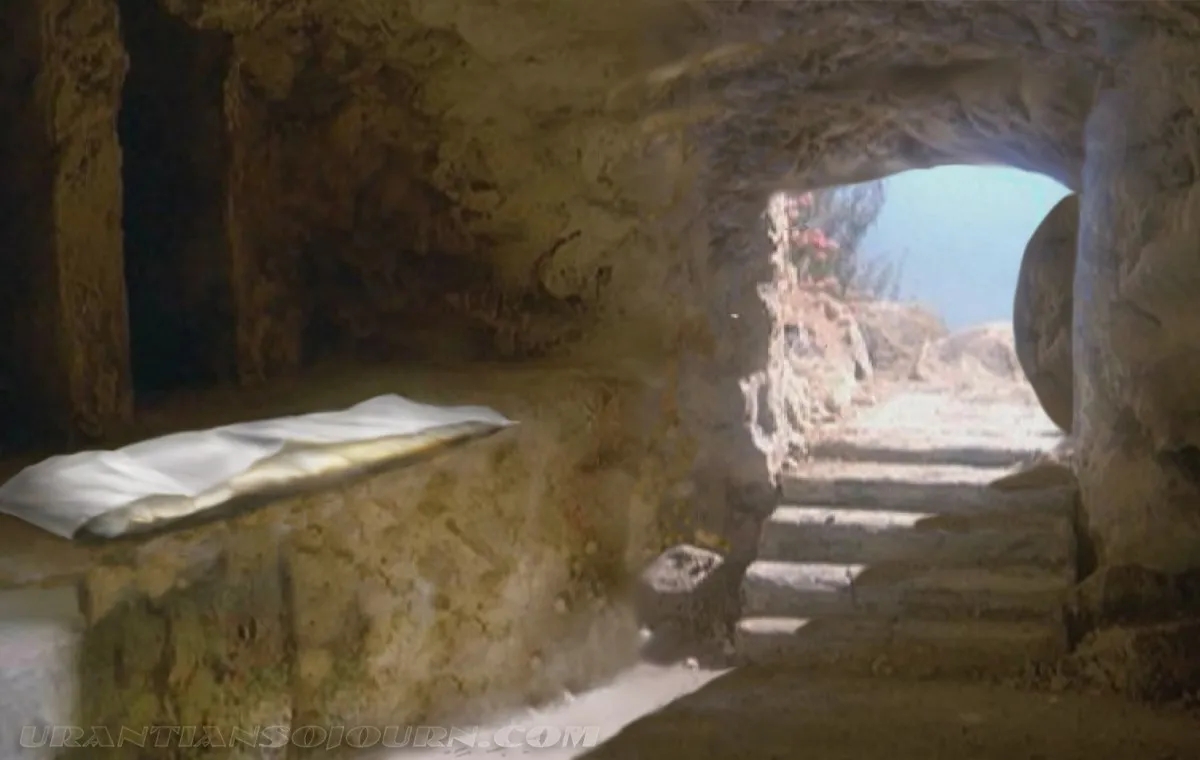
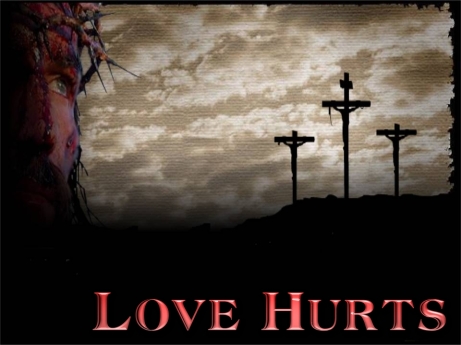
Good Friday Prayer
O Jesus, Who by reason of Thy burning love for us
hast willed to be crucified
and to shed Thy Most Precious Blood
for the redemption and salvation of our souls,
look down upon us here gathered together
in remembrance of Thy most sorrowful Passion and Death,
fully trusting in Thy mercy;
cleanse us from sin by Thy grace,
sanctify our toil,
give unto us and unto all those who are dear to us our
daily bread,
sweeten our sufferings,
bless our families,
and to the nations so sorely afflicted,
grant Thy peace,
which is the only true peace,
so that by obeying Thy commandments
we may come at last to the glory of heaven.
Amen.
As some may know, I’m a casual observer of goings-on in the Nottingham football world, sometimes as a spectator of both Nottingham Forest and Notts County.
It’s been greatly pleasing to witness Forest’s incredible turn around in season 2021/22. After seven games they looked to be dead and buried and rushing headlong down towards League 1. Now they have a season ending full of hope and great possibilities. Good luck to them and I hope upon hope they make it back to the Premier League after a quarter of a century away. It is however about the black and white side of the city that I speak today. Notts County, spending their third season out of League football, flattering to deceive at times, toiling at others as they hand around and outside the lower reaches of the play-off spots.

Not particular meaning to rubbish Head Coach Ian Burchnall in the wake of a shocking result and display yesterday and I certainly don’t subscribe to the bi-polar method of watching football these days but I find his preponderance of importance to the importance of what happens on the training field a strange aspect to his work and signs of it have been noticeable at various times. He extremely often talks about and seems to take great store in a player ‘training well’ and ‘doing well on the training ground’ – more than any coach/manager I can think of. Now the guy is an experienced professional and I’ve only ever been an amateur player and fan so he undoubtedly has forgotten more than I have ever known about the game, but I find his attitude a little disturbing.
Surely it’s all about what happens on match day? That’s what every player trains for, it’s the culmination of their working week and the very thing they are judged on – not how good they looked in training when it ultimately doesn’t matter. Can they do it on the day? Can they perform when it’s demanded and necessary? Can they be winners, not just show ponies weaving pretty patterns on the pitch?
Watching footage of some of his training sessions with the players it he appears a very technical coach. That’s fine but does the accent on that work help when you’re 2-0 down in a crucial match and getting your back side kicked all over the park? Will that concentration on the technicalities and complicated tactics and systems in training and selection of players help you stand up on the other side of those white lines, be a leader and drag your team forwards?
As for him finding match days ‘stressful’ as he states, it might be questioned if he’s in the right job because whether he enjoys it or not, that’s what the hell this game is all about.
It’s been said many times in so many different ways but basically Notts lack sheer courage and character at times. We all enjoy ‘nice’ football but make no mistake, this is the fifth division of football and it’s high time Notts adapted to it in order to get the heck out of it.
There was an item on the TV this evening about Newfoundland dogs. I’ve always had a special regard for these amazing animals. Bred as working dogs originally in the east coast Canadian Province of Newfoundland their characteristics of water resistant coats and large webbed paws make them wonderful swimmers.

They actually don’t swim by the more usual doggie paddle but use a stroke much more akin to a human front crawl. In Newfoundland, fisherman would use them to swim out and bring their nets in, they also have a great propensity for water rescue and have saved countless lives over the years, one of them being Napolean Bonaparte no less. One Newfoundland dog was recorded as saving 92 lives from a single distressed ship off Newfoundland in the early 20th century. In more recent times the breed has been used as a therapy dog for people with mental health problems.
Classed as Giant dogs, they can often grow to approximately 150lbs and some have been known to grow to over 200libs. One particularly famous owner from the past was romantic poet, Lord Byron whose best friend he named ‘Boatswain’. Boatswain is interred at Byron’s former ancestral home, Newstead Abbey in Nottinghamshire. A monument stands there still with an epitaph by Byron which begins:
Near this Spot
are deposited the Remains of one
who possessed Beauty without Vanity,
Strength without Insolence,
Courage without Ferosity,
and all the virtues of Man without his Vices.
This praise, which would be unmeaning Flattery
if inscribed over human Ashes,
is but a just tribute to the Memory of
Boatswain, a Dog
who was born in Newfoundland May 1803
and died at Newstead November 18th 1808.
A fine and loving epitaph for any of these noble animals.
Really, who would be a football fan? I note that local team, Notts County today had a 3pm fixture away at Dover which is approximately an eight-hour return journey. Notts contacted the home club at midday and were told there were ‘no concerns’ and no pitch inspection due. This was communicated in good faith by the club via Twitter to its travelling fans.

Not much over an hour later, the match referee calls the game off with an ‘unplayable’ waterlogged pitch. An unfruitful (and expensive) journey for those fans and a pretty much a waste of a precious Saturday.
This follows a very similar occurance for that club recently. Football clubs are often culpable for treating their lifeblood – the support – with complete disdain and disrespect at times. No wonder I personally don’t go to nearly as many live games as I used to do.
‘Oor Glen’.
The lovely Viewpark Glen and former Douglas Support Estate in Lanarkshire was certainly a memorable part of my childhood. Memorable because my father took me there as a boy when visiting my grandmother who lived on Alexander Avenue in the solidly working class Viewpark housing scheme nearby. A place I came to step on a train in Nottingham and head up for summer holidays with my father’s family.
It was very much inhabited by mining communities back in the day, where the people of Viewpark, Uddingston, Bellshill and other local communities would earn a living the hard way, in long, hard shifts down the many former coal mines in the area.

Bellshill and environs historically had many a famous son and daughter, especially in the field of football players. Back in the day, those all-time greats, the legendary Alex James of Arsenal and Preston North End and Hughie Gallagher of Newcastle United, Chelsea and others learned their trade in junior football in the town. Another legend, Sir Matt Busby from the village of Orbiston also trod the same path. Viewpark itself boasted two bona fidelatter day greats in wingers, Jimmy Johnstone of Celtic and John Robertson of Nottingham Forest. There have been literally dozens of others too.
However, I digress. As a stark counterpoint to the gritty and hard living presented in this area of North Lanarkshire was ‘Oor Glen’. Viewpark Glen felt quite a mystical and mysterious place to me as a child – especially leaving the rows of houses and little roads behind and descending into what felt almost like another world – one of considerable beauty. It was a place to play, to explore and for me, a place I could be together with my dad, amongst the quite unexpected flora and fauna. The peace, the quiet.


It owns a history too. Beaker Folk roamed and hunted in this glen with bows and arrows in 2000 BC, paving the way to an eventful later history with its Roman remnants, the Red Douglas family and all. This is not meant as an exaustive review of the area by any means but truly, this is a place that is well worth researching.
A place that holds a piece of my heart and family memories.
To my late father, John Frew of Musselburgh, East Lothian, Scotland.
Many are these days considering how the Covid-19 pandemic has affected them regarding that fine balance between earning a living and living an enjoyable life outside of working hours. I’m not necessarily sure how to answer this for msyelf as there have definitely been pros and cons for me. In general, I enjoy working from home, it’s something I’ve done regularly in the past offering telecounselling, working in forensic psychology research, proofreading and copywriting so I’m really no stranger to it.

Through the various lockdowns and restrictions I felt fine with things, no hot and stuffy, crowded public transport or indeed queueing for that, being two hours a day to the good due to the lack of a commute, general flexibility of work and breaks and so on. I have lots of space and peace and quiet to work in and a garden to relax or occasionally work in. Most of all, I felt settled into a much less stressful routine. There were no decisions about whether to do much in the evening or not as there was little choice so I’d just settle into relaxed evenings of reading, writing, TV, radio and web browsing. My Bengal cat loved it too! All good so far.
What was more difficult for me was the inner clamour to get out and socialise again once that became possible with venues opening. Only now do I feel I’m exerting some control over that. It was how I imagine being released from prison feels.
Professionally I’m fine with it. I miss seeing clients face to face sometimes though, they numbered around 50% of my caseload previously. I did embrace telecounselling though and feel it’s strongly how therapy is going to end up being offered more often than not. This has happened to a greater extent in North America where it can often make sense to carry out the work this way when over greater distances and this is where it is being lead from in my view.
A problem can be not being able to process the thoughts about some of the tough stories during the day, the attempted suicides, calling emergency services, generally distraught people and so on. At the office it wouldn’t be migrated home but chatted about with my colleague over a coffee, followed by locking the office doors and a relaxed walk through the city, letting go of that swirl of thoughts. Working from home though could potentially see those feelings only shiften to another room.
My job was ‘safe’ but I did in fact get TUPEd to a larger charity last month. I knew my previous colleagues well and considered them friends, having met them for training and meetings in Birmingham many, many times. Some of my new colleagues I may never meet so it’s naturally more difficult to have that ‘closeness’ and kindredness.
I’ve recently been informed that it may be a little time before returning to a hybrid working system. The lease on my office in the city has not been renewed by the new company though there is a probable intent to do that. In the meantime good old Nottingham City Council insisted all the furniture was removed so sadly, it’s probably ended in a skip somewhere which is a total waste. I’ve handed the keys back and feel a long way from working in an office again at this time.
In conclusion, I’ve benefitted from the change in working practices, financially, time-wise and in generally less stress. The main challenges have been in adjusting back to whatever normality is now and in living the days as a more lonely existence.
I responded to an interesting internet forum question recently which really set me thinking, ‘If you could witness any sportsman/woman in history in the flesh…’ (who would you choose?) There have been countless sporting individuals over the years who I could consider for that – from my own particular passions of ice hockey, football, distance running and beyond. After five minutes of thought I came eup with these these brilliant performers in their chosen disciplines of hockey, running and cricket. Well that’s the choice for today at least. An honourable mention should go to those of my heroes who I’ve actually seen perform live. Coming to mind are football’s Denis Law, George Best and Joe Baker and cricket’s Sir Garry Sobers.

Guy LaFleur ‘Le Demon Blonde’ right-wing for the Montreal Canadiens 1960s/70s. A French Canadian with huge charisma, smooth skating, lightening fast reflexes who was a predator in front of the net. All with a staggering career points tally. Guy had a playboy lifestyle and was idolised in Quebec. He had great style and for many was the ultimate Montreal skater.

Lasse Viren ‘The Flying Finn’ a middle-distance runner who won Gold in both 5,000m and 10,000 events at the Munich Olympics in 1972 and at the Montreal Olympics in 1976. One of his gold medals was won after falling on the track, recovering and running past the field to hit the tape first. A devasting front-runner who destroyed the opposition, when it really mattered, in an era of great middle-distance runners.

Harold ‘Lol’ Larwood the Nottinghamshire and England fast bowler who destroyed Australia on the ‘Bodyline’ Ashes tour of 1932/3. The tour – where he bowled his ‘leg-theory’ to captain Jardine’s order overshadowed his career. Extreme pace – many would argue the fastest (and most accurate) of all time Harold was but 5ft 8ins tall but tellingly a former Notts pitman who was bred tough. His teammates at Notts named him ‘The Silent Killer’. They said that when Lol was on fire his run in to the wicket was completely silent. It was then that they feared for the opposition batsman’s safety.
I loved this Facebook posting below and at the same time was staggered to read that around half a million brave little cats served as mascots, giving comfort to the troops on the Western Front during the Great War. Maybe it’s not so surprising, that Gigi, my little Bengal cat pal ‘found’ me and as soon as he felt trust and confidence showered me with love and affection every single day. Through long lockdown days alone and all. I have felt humbled by that and the connection we have, truly soul to soul. A relationship that has a ‘knowing’ quality to it.
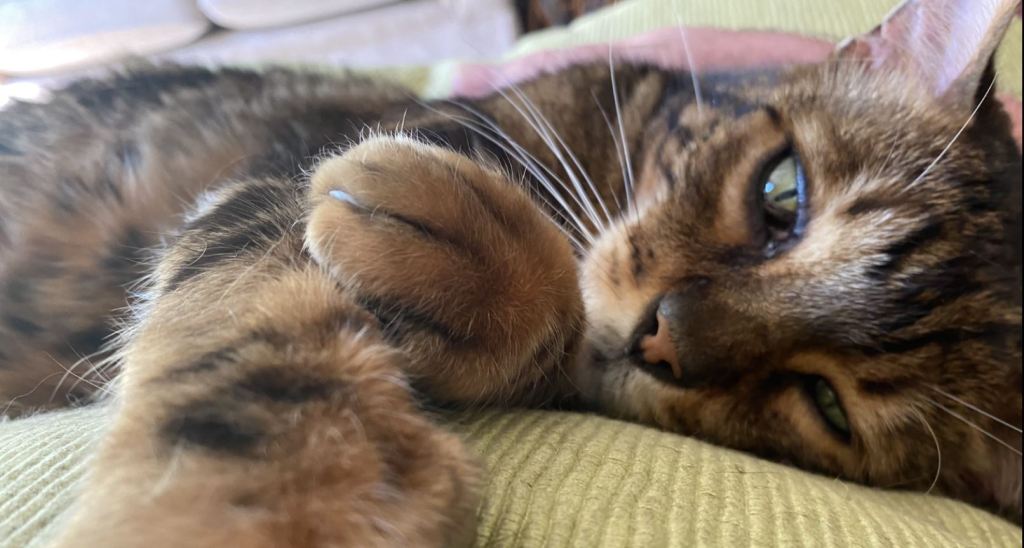
It brought to mind the unlikely relationship with a roaming cat that my father struck up in his latter working years at the local Home Brewery. Never really much of a pet-owning family were we but I recall walking into the brewery later one evening to take his forgotten packed sandwiches to him which would sustain him during his nightshift. Walking into the toasty warm, winter boiler house which was his workplace, I saw him sat with his own cat pal who had crept in and found his favourite resting place between those big biceps of my dad – ones that softly cradled him like a baby. A touching tenderness that was a somewhat rarely observed outwardly in John. They became firm and faithful friends for many a year.
Unusually, the actual owner of the brewery would often wander down to the boiler house in the early hours and keep John and his little friend company over hot tea and toast and good craic. A tender and warm scene, one replete with friendship and kindredness.

‘Peter Barnes 22nd July on Facebook – Posted this before but liked it so much I am posting it again.An endearing photograph of a Lewis gunner of the 6th Battalion, the York and Lancaster Regiment with the Regiment’s cat mascot, in a trench near Cambrin, 6th of February, 1918.Interestingly, there were around 500,000 cats who served as mascots on the Western Front in WW1. Soldiers would share their rations with the cats.As well as being a comfort for soldiers in a very horrible and dangerous environment, the cats helped keep the rat population down in the trenches.
Lest We Forget.’
It’s 1967, I’m nine-years-old and have recently been in an accident with a large Ford Consul hitting me and smashing both legs in several places. I’d been taken to the Children’s Hospital in Nottingham and was now enduring a long recovery, laid up at home with plaster casts from toe to top of thigh. Spending those never-ending days in my single bed, brought into the living room of my parents’ home in Redhill, Nottingham. Football was nevertheless a passion. Nottingham Forest’s terrific and tenacious midfield dynamo, Henry Newton, who went on to play for Evertonwas a particular favourite. It just so happened that he was seeing my older sister’s friend who lived nearby. Henry, hearing about this, offered to come to the house to visit this youngster who in a bit of a state. Kind man.
Henry took my autograph book away and passed it around the Forest dressing room to the array of stars in there and brought it back to our family home. He also brought the gift of a beautiful Christmas tree for our family. I was dumfounded and pretty well speechless at this star sitting talking to me and encouraging me in my recovery.
Who was who the star number nine was in that side too? ‘King’ Joe Baker of the Trent End, ‘Zigger Zagger’, world-class centre-forward, formerly of Hibernian, Torino and Arsenal.

I was completely overwhelmed by those visits and have never forgotten the kindness and inspiration of Henry Newton. Those autographs are still treasured andin my possession of course. Bonus points for any of the older fans that can recognise the other signatures there from the superb team that finished runners-up to the great Manchester United team of Best, Law and Charlton…
Currently, featuring significantly in media reports each day is the phrase ‘Freedom Day’ when referring to June 21st and planned banishing of restrictions which will again see us in ‘normal’ times pre-Covid-19. Apart from being a tad silly and immature, I believe its use is politically driven. an example of posturing as in ‘look how we’ve delivered you through this’. It doesn’t help the moral of the people but rather, slowly crushes it. Does anyone remember the ‘Fine by Christmas’ phrase last year? To be fair, the government didn’t state which Christmas.
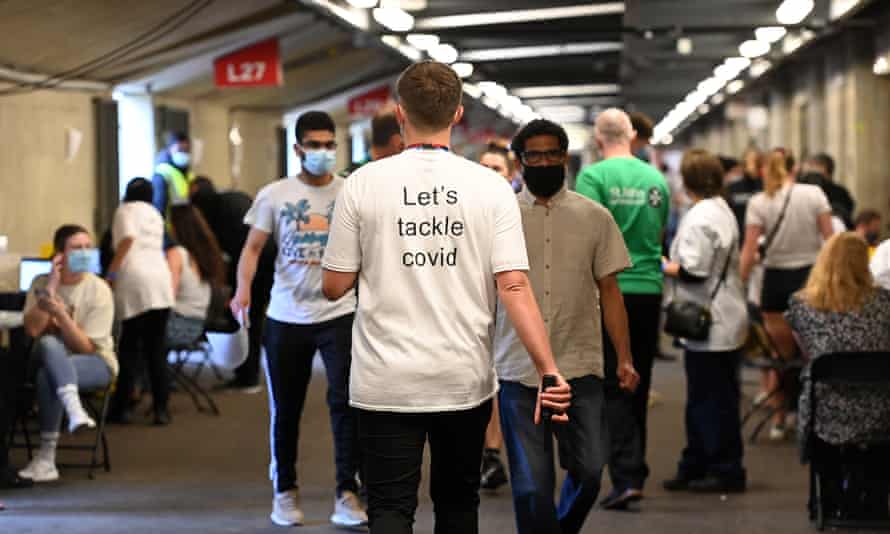
For me, it has never seemed likely that these forecasts and half-promises would come to fruition, although I know some will feel very let down. There can be no single day when ‘normality’ will click into place, enticing though that may seem it’s a process and so shall it evolve.
Through some fifteen months of the pandemic, a consistent lesson has been to expect the unexpected, that’s what precedents will provide us, with one positive development after another seemingly being confounded. Better to be in acceptance of this, it’s an easier way to live than constantly being lifted with somewhat flimsy hope, before being almost inevitably disappointed.
We can think of the pandemic as a virtual tug-of-war with the virus the opponent on the other end of the rope. As a layperson, it’s exhausting to keep up that mental battle with it constantly when there is only so much control we can have over it. A better and more sustainable approach is to ‘lay the rope down’. Take a reasoned approach in observing precautions and live our lives that way, without timelines or deadlines. For there lies anger, frustration, depression, disappointment and a whole host of other negative reactions.
Who knew that there was once a windmill in Redhill? I once saw it described as being located at the ‘bottom of The Mount’.I felt this a bit unlikely as The Mount began simply as a long driveway from Mansfield Road to the two large homes still situated at the top of the road, overlooking Redhill Cemetery. Mansfield Road is neither particuarly high up as in somewhere you might expect to find a windmill situated.

An acquaintance located the actual windmill site for me on an old OS map and it appears to have stood roughly around the area of the extension of Redhill Cemetery came to be. This would make sense being a little higher up and more exposed to the elements.
There are no pictures of the Redhill windmill that I am aware of though a little detail of the individuals who ran it still exist.
There was also a second windmill not too far away on Mill Lane which leads from Cross Street near the top of Galway Road. The building still remains as a private home I believe and is also marked on the map.
The map, dated from around the late 1890s I believe, contains some other interesting detail of our locality. The heavier dark hatched line running right to left near the top right of the map is what became the ‘twichell’ which still runs alongside Redhill Academy between Stanhope Road and Stanhope Crescent. In those days it carried on in a straight line from Arnold to Mansfield Road, Redhill and emerged opposite The Mount. Above it are orchards containing cherries and pears I believe. A modern-day link to them remains in the naming of Cherry Close adjacent the school and the line of around twenty pear trees which remained in the school grounds as ‘Pear Tree Avenue’. The area in general was well known for cherry growing in particular.
Mansfield Road and Arnold Lane/Oxclose Lane are both clearly visible on the map, as is Cross Street, probably called ‘Cross Lane’ around that time. Some locals also termed it ‘White Hart Lane’ as it indeed did represent a lane from Arnold to the original White Hart coaching inn demolished in the 1960s to be replaced by its predecessor built on the land behind it. At one point both buildings were extant.
Mansfield Road itself had previous names also in the form of ‘Sandy Lane’ as it was previously called by virtue of the sandy soil present in some parts of Redhill. Much further back in years it was termed the ‘rubeam rodam’, (red road). And so we see some of the origins of the naming of Red Hill/Redhill.
Cannon Edward Jospeph Hannan was the founding father of Hibernian Fooball Club, Leith, Edinburgh.The club was formed from St Patrick’s Roman Catholic Church in the Old Town in Edinburgh and the Catholic Young Men’s Society, where a seminal and historic planning meeting took place.
A bust commemorating Cannon Hannan resides inside the front doors of St. Patrick’s in the Cowgate. Canon Edward Joseph Hannan was born in Ballingarry, County Limerick, Ireland on 21 June 1836.

The Cowgate in those days was widely known as ‘Little Ireland’ due to the many impoverished refugees from the Irish famine living there. Reports of more than thirty souls living ito a room with no sanitation give a sobering glimpse into the hard-bitten and impoverished history of the area.

The Hibernians were conceived of by the kindly Canon and his co-founder, Michael Whelehan as a benevolent and charitable organisation in 1875, giving support to the poor and disadvantaged of the community. Tyically, the Hibs would play benefit games for those of the parish who were struggling such as widows with children to feed. A central reason for the formation of the football club was to help keep young Irish, Roman Catholic men of Little Ireland on the straight and narrow. Attendance at Mass was a prerequisite for membership and sobriety another, to play for the Hibernians. This gave rise to claims of Hibs being the first sectarian club in Scotland, which arguably might be said to be wilfully ignoring the sound and humanitarian principles on which the club was formed.
The club name, Hibernian, was derived from the ancient Roman word for Ireland, ‘Hibernia’. The club jerseys still commemorate Hibernian’s Irish origins with an Irish harp as part of the club crest, once again returning to the club’s humble beginnings.
The Leapool area of Redhill, Nottingham, showing Mansfield Road, in two images from the 1960s. Credit to Rachel Hawker, a member of the Hawker family who owned . W. Hawker & Son garage at Leapool. One picture shows Rachel’s aunt waving from the forecourt of the garage with a backdrop of Mansfield Road leading south up to Arch Bridge. The other has a host of interest as it shows the area before what some call the ‘Redhill roundabout’, actually Leapool, was built.

At that time it was basically a T junction with the same route to the left towards Mansfield and what was the original A614 Ollerton road before the present road, built in the 1960s. The road still stands there off the roundabout, enshrouded in trees, gated off and with some road markings still visible, lending a slightly eery feel. It remains walkable.
The far end of the road meets the present Lime Lane which I believe was once known as Lambley Road. The road currently bends to the right, then left down to the A614. Prior to this it was possible to drive directly on in a straight line to the A614 and over the farmland in a straight line to the A60, quite near Lamins Lane. The road, known as Little Lime Lane, was closed many years ago due to a prevalence of accidents.

One of the other notable points in the picture was the old AA box which can be seen at the junction. There was also a transport cafe behind and to the side of Hawkers garage. Standing there now is the Banyan Tree restaurant, which was formerly a Little Chef.
Some may wonder why Leapool roundabout was built so large for it’s quite some size for the amount of exits it possesses? The reason is that it had orginally been intended as a park and ride scheme. One which would have a loop road over the fields in the direction of Bestwood Estate to link up with Edwards Lane, the ring road and the city. The notion of a park and ride in the area, as we see, is by no means a new one!
Rachel dated the picture of her aunt as 1966. I’m not exactly sure of dates for the various changes in the road layout but if asked, would say the early 1960s at some point
Iiving in Redhill, Nottingham for a great deal of my life has provided a keen local historical interest in the area. It struck me that whilst writing about it variously, those words have never been collated in one place. This new Tears of a Clown category is to serve that purpose and to document Redhill whist hopefully adding new items for those with an interest. It has long felt to me that Redhill’s history deserves its stories being told. I post here from my own recollections and those of others anecdotally. In addition from readings over the years. Contributions and comments from others are very much welcomed and appreciated.
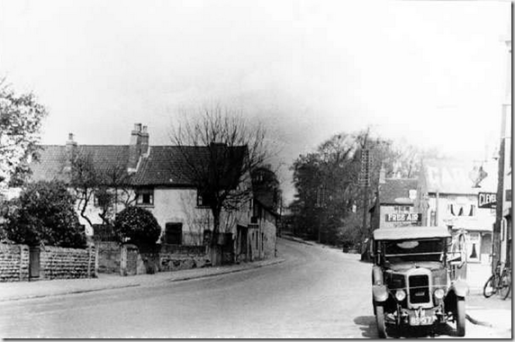
A GENTLEMAN who I’ve never known but who has appeared in my thoughts often throughout my life is that of my mother’s father, Edgar Orbit Houldsworth. An unusual name that is for sure and a great help for an accomplished geneologist I’d easily imagine.
Edgar was born in Hucknall Torkard in Nottinghamshire to Thomas and Charlotte Houldsworth and later lived on Annesley Road in Hucknall, as the town name became shortened to. There, he fathered ten children , my mother, Marian, being one of five girls along with five boys.

An online ancestry link informs that he was a ‘dairyman’. I can only conclude that this was his occupation as a very young man as other occupations were to follow. That may be a very young man indeed as it was noted that Edgar unfortunately received little schooling. Not that this held back his later to be discovered talent.

Edgar died prematurely of illness aged 51 in 1937 when my mother was a young girl. She latterly talked fondly of him as an ostler looking after the beautiful and loyal ponies at one of the Hucknall coal mines (pits), an honourable job indeed.
However, it was his musical ability that intrigued for Edgar Orbit was an accomplished professional pianist who played at the Hucknall Empire, which was but a minute’s stroll along Annesley Road for him from home. His task was described as playing the accompanying music to the silent movies that were shown at the Empire at the time.
His and the family’s former home which included a music shop on Annesley Road in Hucknall remains extant as a different type of business. It’s not clear where he practiced, giving his piano students the benefit of his talent but the family home was a large one consisting of three storeys. As a youngster, visiting there in the 1960s, musical instruments including a harmonium, an upright piano and so on still sat intriguingly in various parts of the home.
Edgar was a most kindly, likeable and agreeable man, loved by many. Betrothed to Ada Mary Woollatt, my grandmother who passed in 1967, their union produced ten offspring. Poor Ada in addition suffered several stillborn children and miscarriages as was not uncommon in those harder times. They both bestowed their large family with fond memories. I now convey some of them to the reader
Edgar Orbit Houldsworth: Born Hucknall Torkard, Nottinghamshire, 1885 – 1937
It’s interesting to see how many experts there are in mental health these days as well as epidemiologists and virologists…

I really don’t enjoy when people use the likes of suicide rates to support their arguments and agendas. It’s not all about dry data but rather about real lives lost and real families suffering that devastation. NO suicide rate, whether it be increasing, decreasing, high or low is in any way acceptable. Prior to Covid-19 appearing in our lives, the UK experienced around 6,000 deaths by suicide with a figure of around 800,000 deaths worldwide.
As is often the case, figures do not tell the whole story though, suicide figures are complex for many reasons, for example the UK coroner system is inadequate for the close monitoring required for suicide statistics. Even though there hasn’t been a recent rise in completed suicides there remains a need for caution in adopting a stance that suicide figures won’t be affected by the pandemic.
A common public narrative is that suicides and self-harm have increased to epidemic proportions since Covid. These claims are not just misleading but also potentially harmful to those who are already struggling. Please think twice before spreading this type of misinformation. A claim last year was that suicide had increased by ‘200%’ and was posted some 31,000 times before being debunked and taken down.
So why are organisations such as the charity I am employed by and various surveys informing us that our mental health is deteriorating? How do we explain this contradiction? Well it’s true to say that as well as the risks there have been protective factors too. During earlier lockdowns there may well have been greater attempts from people in keeping in touch with and supporting each other. We have certainly been more alert to any possible crisese. Certainly I remember a greater community response to those in need. There may also have been a belief that Covid would ‘soon be over’ in some, leadig away from despairing thoughts.
Much of this has sadly, now disappeared with the needs of business and people’s livelihoods increasingly pitched up against the health of the public. The social help in communities has eroded since last year but yet, in this second year there are still significant risks. People are exhausted and pessimistic at every new lockdown or the prospect of one. Members of the public are reporting each other to the police and there is a more general lack of cohesion in the community. We need to continue to look after each other, especially regarding suicide ideation.
Most clinicians will tell you that recovery can be a dangerous time. In terms of restrictions being lifted we need to be careful. More than anything, we need to bring the compassion back into society in understanding and taking heed of people’s needs for support, especially where suicide and self-harm are concerned, not using lost lives to back arguments about the speed of restrictions being lifted.
Just my two-penneth on the situation though nobody asked me. I logged off work earlier and was on the point of ordering a cab to go to the hospital for my second jab when an individual texted me, in a bad way, so delaying my visit for the vaccination. He was in a bad way but is now being cared for, thankfully. That is the reality of this situation – not arguing about when you can get your gym open, if you can go inside a pub and get leathered for four hours or go on that Mediterranean holiday.
Have the gratitude that you’re healthy and actually want to live. it’s a great start.
The day came – 12th April 2021 and a return to hospitality opening – albeit al fresco. It was eagerly awaited. After two nights out I’m now in need of another lockdown!
A few observations about getting out again for those with the interest and patience to read.
Monday evening was on a large outdoor covered and heated terrace. There were around 100-120 drinkers (no food) on tables of six. Waiter service, pay electronically. There was music from a DJ and deck which rang through the surrounding streets.

Customers were probably about 95%+ students from the nearby university which made it something of an outlier where considering general behaviours are concerned. One young lad on the next table who was having a famous time on his coincidental birthday, we considered was the spitting image of 1970s Notts County stalwart right-back, Bill Brindley. (Bill knew his way around a pint too). At one point Billy 2021 version threw up twice into a bucket and amost tipped most of the drinks off the table while doing it.
It was loud, raucous with several celebrations going on, characterised by hugging, handshaking kissing, whilst moving between tables. Non of this bothered my crew who like me, were grateful to get out and see each other and socialise again. I’m commenting here, not criticising. We were all young once and i’m pretty sure I’d have been acting similarly at that age.
To summarise, well, I’m somewhat relieved that I had the relative protection of a Pfizer jag. I can’t make a case for any of this stuff being ‘safe’. This wasn’t the business’s fault who had done a sterling job of laying on a good, safe situation if it was used as such. The problem is alcohol and the effects of it isn’t it, and that was starkly shown all through the protracted time I was there. To say that it promotes some risk-taking behaviour is not a revolutionary statement.
Probably more interesting (to me at least) was the really nice chat I had with a group of lovely, friendlyfourth year design students during the latter part of the evening. Excusing themselves, they said they had wondered what kind of job I do and I guess were betting between themselves on the outcome. The reply ‘I’m a Psychologist’ brought about a stunned silence (believe me, some people incorrectly imagine you’re immediately about to carry out a psychoanalysis on them when you say that). When their mouths eventually closed we had a great chat and a main theme, sadly, was how they felt shunned by the local community, that nobody wanted anything to do with them since adverse reports about some students over the past year. They were actually really grateful to be acknowledged and engaged and thanked me over and over for this. What on earth have we come to?
The group said they all loved living in Nottingham and mentioned the true minority percentage of people misbehaving in the local parks, that press photographers were following people around, taking shots from various angles to enhance what appeared to be a complete lack of social distancing and prevalence of drinking alcohol which is forbidden in Nottingham’s open spaces.
I’m left a little sad about all this. I have worked in both Nottingham universities,studied at one of them and my ex remains a lecturer at one of them. I’ve friends in them and even work adjacent one of them. It’s easy and natural for me to feel connected to them, unlike some others, who fill the local ****-stirring rag with hateful, anti-student comments. I wonder where we are all going with this.
As for the two nights in general, there was generally a much more celebratory and gung-ho attitude noticable among people on both nights out including a second one which was much more staid by comparison. I can only think it is the psychological effect of being partly immunised for many. I have no idea if all this described will rebound on us and I’ve just decided to have gratitude for it while I can.
A genuine ‘thank you’, The Golden Fleece, Nottingham.
Cat, waiting in the hallway after me returning home late after a first evening out for several months:
Cat: Where you think YOU’VE been young man?
Me: Aw, did you miss me?

Cat: Got any grub?
(Gives cat large bowl of Whiskas)
Cat: chomp, chomp, chomp, chomp, chomp…
Me: Was that nice then?
Cat: Meow…got anything else?
Me: How about some tuna? (serves fishy treat)
Cat: chomp, chomp, chomp, chomp, chomp…
Me: How was that?
:Cat: Bye
Well, the first day of ‘freedom’ tomorrow at last and I can say that despite the cool weather forecast (a low of 3C) I’m so looking forward to seeing friends again after six very long months.

For me, life has been pretty much about being in the house day and night, working, sleeping, eating, the usual stuff. For that reason, it will feel novel just to do the simple things, catch a bus into the city, have a pint or two, catch up with friends. I feel a lot of gratitude for it. It’s probably the most inspiring time in over a year, along with a first dose of Pfizer some weeks back.
t’s been a very lonely existence, in spite of counselling clients on the phone each working day and calls with friends, not really me at all as I’m the sociable type end very much enjoy being amongst people.
Some sanity has been preserved due to my little pal, the beautiful Bengal cat, Gigi, who adopted me two years ago. Every evening he sits close to me, listening to music and the radio, watching the TV (he loves watching Hibs!) Each night he comes and sleeps on the bed next to me, keeping me company. Every day he makes me laugh. How can you possibly be lonely with such a great pal and companion?
It’s a booking for six on a rooftop terrace at a Nottingham city centre pub from 7pm tomorrow.
Hoping you all get the same opportunity to do something you enjoy too, the very first moment it’s possible.
‘Warned’ not to go into my own local city centre by the police? I’ve done things by the book for thirteen months now and I’ll now do what the heck I like regarding entering the city thanks.
As it happens, I have an outdoor table booked with friends for the coming Monday evening and will be complying fully by sitting outside in predicted 3C temperatures (my choice) in order to have the pleasure of seeing friends I haven’t seen in six months. After staying home day after day, as has been requested for most of a year of my life, I resent being told to stay away from the city if I cannot book a table, basically in case the police have to do a little policing, other than chasing a few students out of their house parties. I’m being facetious but you get the point
What this command fails to recognise is that numerous pubs and bars are accepting walk-in customers alongside booked tables in order to maximise often meagre outside capacity from Monday 12th. Some are ONLY accepting walk-ins and no bookings. One or the other was the case at practically every venue I personally checked. How would the police propose that these (mostly struggling) businesses manage to trade with no people allowed into the city without bookings?
The police are overstepping the mark here. Perhaps they overestimate their powers too with the new authoritarian society opportunistically ushered in by this idealogically woeful and anti-working class government. The public are tired, exhausted indeed, damaged both mentally and physically.
People are depressed and anxious, needing some relief from iincessant bad new over the past year. I hear this message loud and clear in my own work, sometimes feel it too. Many are now impovererished also due to the very necessary lockdowns. Please now give us a small break and allow us to walk around our own streets in peace.
The angel said to the women, ‘Do not be afraid, for I know that you are looking for Jesus, who was crucified. He is not here; he has risen, just as he said’. – Matthew 28:5-6

’30p Lee’ Anderson embarked on his World Tour of Ashfield today otherwise known as his ‘Day of Action’ – fittingly, on Red Nose Day. ’30p’ thinking about some stuff today (Image: The Spectator). Such ancient Wonders of the World as the Hanging Gardens of Babylon and the Great Pyramid of Giza in Egypt were eschewed…
RIVA…GOAL! Came to be a regular cry in the late 1960s when the ‘Rombo di Tuono’ (Rumble of Thunder) blasted yet another explosive shot into the back of the net and so I was saddened to receive news this past week from my friend in Sardinia of the passing of a boyhood idol of mine,…
We’re told that the third Monday of January is the most depressing day of the year. Reasons given include, the prevalence of post-Christmas debt, gloomy weather and failed New Year’s resolutions. (Image: Canadian Mental Health Association) Only it isn’t, it’s a myth, it’s completely fabricated This nonsense was first inflicted on the public by a…
I had the pleasure of attending a talk by former European Cup-winning captain of Nottingham Forest, John McGovern recently. The event was held at the pleasant Embankment pub situated just off the opposite bank of the River Trent from the City Ground, scene of many of John’s triumphs with the team under Brian Clough and…
Perfect symmetry. Two of the greatest hockey players of all time. Wayne Gretzky of the Edmonton Oilers (left) and Guy Lafleur of the Montreal Canadiens (right) warming up for Team Canada who were appearing in the Canada Cup of 1981. The ‘Great One’ and ‘Le Démon Blonde’ were special and memorable players, beloved by many.…
As it happens, I have an outdoor table booked with friends for the coming Monday evening re-opening of hospitality in England and will be complying fully by sitting outside in predicted 3C temperatures (my choice) in order to have the pleasure of seeing friends I haven’t seen in six months. After staying home day after day, as has been requested for most of a year of my life, I resent being told to stay away from the city if I cannot book a table, basically in case the police have to do a little policing, other than chasing a few students out of their house parties. I’m being facetious but you get the point.
What this command fails to recognise is that numerous pubs and bars are accepting walk-in customers alongside booked tables in order to maximise often meagre outside capacity from Monday 12th. Some are ONLY accepting walk-ins and no bookings. One or the other was the case at practically every venue I personally checked. How would the police propose that these (mostly struggling) businesses manage to trade with no people allowed into the city without bookings?
The police are overstepping the mark here. Perhaps they overestimate their powers too with the new authoritarian society opportunistically ushered in by this idealogically woeful and anti-working class government.
The public are tired, exhausted indeed, damaged both mentally and physically. People are depressed and anxious, needing some relief from iincessant bad new over the past year. I hear this message loud and clear in my own work every single day, sometimes I feel it too. Many are now impovererished also due to the very necessary lockdowns. Please now give us a small break, allow us to walk around our own streets and have something to eat or drink with our friends in peace.
I’m sorry, but this current trend of maligning a whole generation by suggesting ‘everyone’ used racist terms and displayed racist behavour in order to excuse the late Prince Philip’s racism and generally abject behaviour throughout his life as a matter of course is not acceptable.

My father was born in 1921, the very same year as the late consort and would NEVER use those offensive terms or act in that way. That was a general family condition too and for many, many others. We aneed not all be judged by our supposed ‘betters’ whose behaviour remains consistently questionable, to put it mildly.
The fact that my father, although also born in 1921, was lost to our family fully thirty-seven years prior to his hugely priviliged contemporary meeting his maker is not lost on me either.
Mind you, my father worked hard for a living from 14 years-old and didn’t rely on handouts from servile sycophants.
I read today of the loss of a young person’s life in Edinburgh to suicide. Whilst any life lost in this way is a sad event, when it’s a young life, it is particularly so. There seems so much living left to do doesn’t there.

I think being close and ‘connected’ to it in any way, even if purely by proximity or geography as the person relating this story was, reveals just how many other lives a loss like this can touch or affect. That figure too is more than most might imagine.
Research on this subject of affected others is comparatively sparse (and not always necessarily considered helpful) but in the 1970s it was thought that a figure of six people on average were affected in some way by a completed suicide.
Come up to date in recent years and indications are that figure is much more like 135 people approximately, affected in some way by every loss of life to suicide.
The true expenditures of suicide are of course the human and also intangible costs. No price or value can ever remotely by placed on those things. Even in non-emotional financial terms though, the average cost to a country’s economy is somewhat staggering. A US study in 2015 maintained that the average suicide costs $1.33m. Yes you did read that correctly.
We must all stay vigilant, especially in these times of great hardship, illness and bereavement for so many. Keep loving and caring. I feel a small happiness when those struggling are able to summon their courage in coming forward to ask for support or even place themselves under the care of others. It most often begins with a few simple words of disclosure and a plea for help. From there, good things can happen and lives can be saved.
We do not need fashionable slogans to practice our caring. It is humane and much more about love.
On a practical note, there is much advice readily available about speaking to people with suicide ideation and about detecting those who are in danger. By reading a little of it you may indeed save a treasured life.
The angel said to the women, ‘Do not be afraid, for I know that you are looking for Jesus, who was crucified. He is not here; he has risen, just as he said’. – Matthew 28:5-6

Good Friday Prayer
O Jesus, Who by reason of Thy burning love for us
hast willed to be crucified
and to shed Thy Most Precious Blood
for the redemption and salvation of our souls,
look down upon us here gathered together
in remembrance of Thy most sorrowful Passion and Death,
fully trusting in Thy mercy;
cleanse us from sin by Thy grace,
sanctify our toil,
give unto us and unto all those who are dear to us our
daily bread,
sweeten our sufferings,
bless our families,
and to the nations so sorely afflicted,
grant Thy peace,
which is the only true peace,
so that by obeying Thy commandments
we may come at last to the glory of heaven.
Amen.
We hear of many people at this time considering investing in foreign travel. It’s understandable that people, many trapped largely in their homes over the past year would like to break out into the world again. I feel similar too and at the same time feel it quite unwise to get ahead of oneself and charge ahead with concrete plans. Something we’ve witnessed through the pandemic and in myriad ways is the unexpected happening. There has been a false dawn or two, that is for sure.
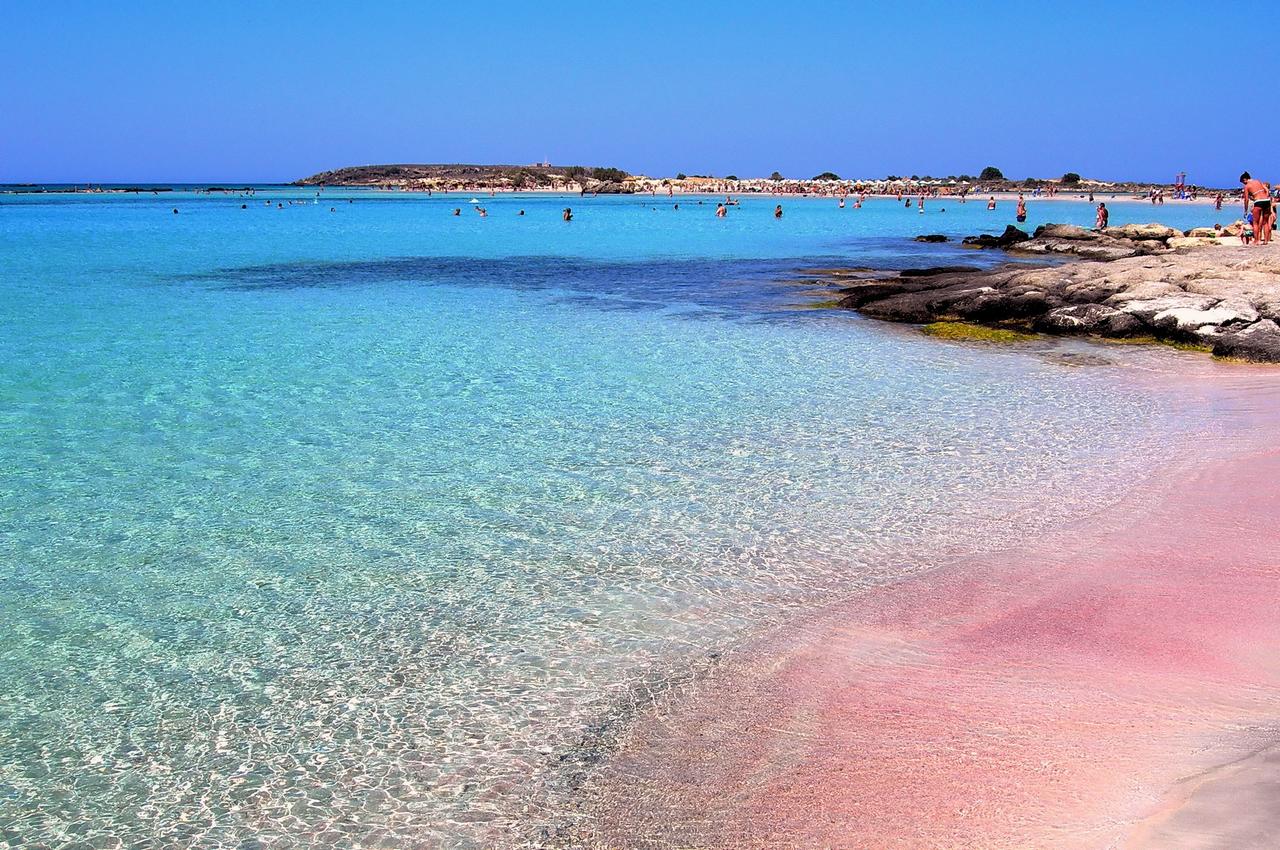
Now we are informed of the possibility of a third wave. I would be interested to hear more about how a new strain and other threats mooted might circumvent the excellent progression of our vaccination levels. History tells me there are always twists and turns in this story possible.
There are so many variables surrounding international travel in the near future including that country’s accessibility and changing restrictions. I myself will need to continue patiently waiting for my plan to visit Italy to unfold, indeed, there may be no option offered to visit that beautiful country and it may be out of my hands. I understand though how to be happy and content with the small pleasures that may be on the way such as seing friends, having a pint or two, maybe even getting to a football match, that type of thing. I find it hard to underestimate how enjoyable it will be to welcome these things back and to open our lives back into the world after what feels like such a long time.
In general, we need to learn from the lessons of being patient and measured that the pandemic has so harshly tought us and to think accordingly.
Thank god for that. If he hasn’t been, he really needed sacking after his tirade about Meghan Markle on GMB. This was a step too far. As far as I am concerned, the challenging and disbelief of any person’s suicide ideation is dangerous and totally out of order. I speak as a person with a late partner who after being discharged deemed as not requiring support by a mental health crisis team, went out and took her own life in a most violent way less than twenty-four hours later.

Morgan’s interviewing of politicians has won him points in various circles throughout the pandemic, let the point be remembered though that the Tory politicians he has been showing his faux disgrace are the same ones he actually supports and votes for. There remains for me a doubt over the sincerity and purpose of his numerous rants. The man long has form for being a despicable human being and has never essentially changed.
As for Good Morning Britain, I’m not particularly a fan of the programme but each snippet I’ve set eyes upon resembles a pantomime with Morgan’s shouty ‘performances’, talking over everybody, including his co-presenters being a complete embarrassment. If the TV company grew better judgement they could do a lot worse than promoting the excellent Alex Beresford to a more prominent role.
Gregory Isaacs passed on over ten years ago and left us with a legacy of beautiful, timeless music. A fine example of this was the sweet and mellow ‘Extra Classic’, a track who no less than Rolling Stone, Keith Richards declared in his top ten of all time.
Described once by a prominent New York journalist as ‘the most exquisite vocalist in reggae’ and being credited with the origination of ‘Lovers Rock’, the man who came to fondly be known as ‘The Cool Ruler’ began his career as Winston Sinclair and recorded under the production of legendary Jamaican musician, Byron Lee.
By the late 1970s, peaking in fame, possibly only Dennis Brown and Bob Marley could challenge his popularity as he regularly toured the US and the UK. Gregory opened his Cash and Carry shop and label at number 125 on the famous Orange Street, Jamaica, next door to another Jamaican music legend, Cecil Bustamante Campbell – better known as Prince Buster.
Charitable work was always close to Gregory Isaacs’ soul and his widow, June Wyndham, set up The Gregory Isaacs Foundation to carry on her husband’s charitable legacy. After living the last three years of his life in Harrow Weald, his remains were interred in Dovecot Cemetery, Jamaica.
There were some sobering reports emanating from France today of Covid-19 infection rates increasing significantly. Dunkirk I read, has 901 cases per week of new infections per 100,000 people and Nice similarly hit, occasioning a couple of weekend lockdowns for the Riviera.

This feels reminiscent to me of past events here in the UK, in particular the ‘second wave’ which with the most recent lockdown has felt and been experienced as so damaging.
The UK is further on down the road than France in terms of vaccination rates and that will arguably be it’s saviour. by comparison. It is a sobering thought though regarding the amount of people still likely to be milling around for a little time yet, unvaccinated, accompanied by cries for more rapid easing of restrictions, (I’m as tired as anyone of them) regarding what potential this can feasibly have.
I recall an extremely popular view +around the end of the first lockdown was that ‘the country couldn’t be locked down again’, it was too expensive, too damaging etc. Respectfully, I didn’t agree with that point of view. Two lockdowns (and months of tiers which in effect were essentially lockdowns) later here we are.
Fatigued, impoverished, out of work, de-socialised, young people missing their education and myriad mental health problems (believe me, I hear those every single day and the faint-hearted would be slightly terrifed to hear them). None of this, desperate though it is, and it is, overrides the fact that if we do this easing too quickly we can still be back in a maelstrom of anxiety and uncertainty at very short order. Recent history has shown us that and we would do well to learn from it.

 THE TEARS OF A CLOWN